

Professional Advancement Career Training (PACT)

 Graduate Students and Postdocs in Entomology: Are you looking for tools and training to make yourself stand out as you look for the next step in your career? Are you interested in learning more about career opportunities outside academia with a degree in entomology?
ESA’s Professional Advancement Career Training (PACT) program will help you develop the leadership capacity and “soft skills” sought after in today’s highly collaborative work environments—both within and beyond academia.
Invest in Yourself. Shape Your Future.
Join us for a six-month program that will guide you in identifying your current areas of strength and opportunities for growth. PACT doesn’t just help you get a job. It helps you understand your value, navigate professional spaces, and build a career you can thrive in. New cohorts are accepted annually.
Skills You Won’t Learn in Graduate School
Each month of the program will focus on a unique theme in leadership and soft-skill development. PACT activities include:
- 360-degree personal evaluation
- monthly webinar
- monthly video meeting with a paired mentor using the MentorCity platform
- monthly, guided group discussion with peers
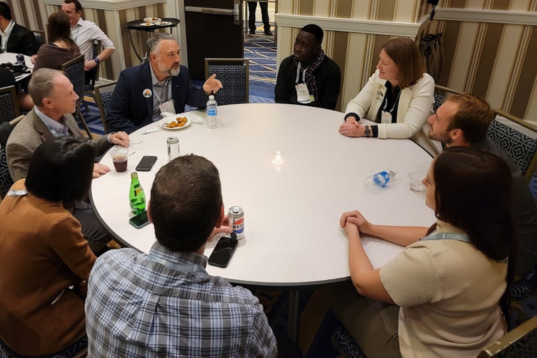
- networking event for in-person attendees at the ESA Annual Meeting
- additional opportunities to connect over the course of the program
Meaningful Mentorships
At the heart of PACT is intentional, one‑on‑one mentorship. Participants are thoughtfully matched with experienced professionals who provide tailored guidance, honest feedback, and sustained support—often lasting well beyond the program itself. Mentors help participants navigate job searches and interviews, translate academic experience into marketable skills, build confidence in professional communication, and understand workplace culture and expectations. Many alumni describe their mentor as a “mentor for life,” a trusted advisor who continues to provide guidance through career transitions.
Find Your Community
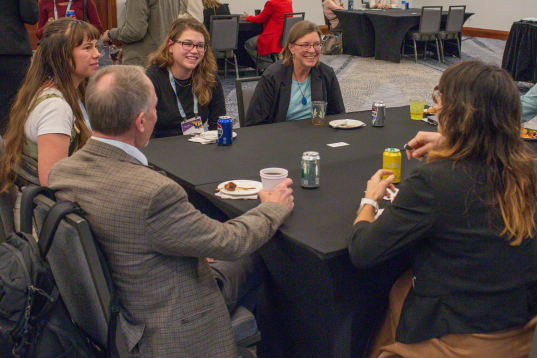
PACT is more than training—it’s a community. Small peer groups create a safe, supportive space to discuss challenges like imposter syndrome, burnout, cultural transitions, and healthy workplace dynamics. Participants consistently highlight the power of connecting with peers across institutions, disciplines, and career goals.
These relationships don’t end when the program does. Many alumni reconnect at ESA's Annual Meeting, collaborate professionally, and celebrate one another’s successes long after their cohort concludes.
Real Careers. Real Outcomes.
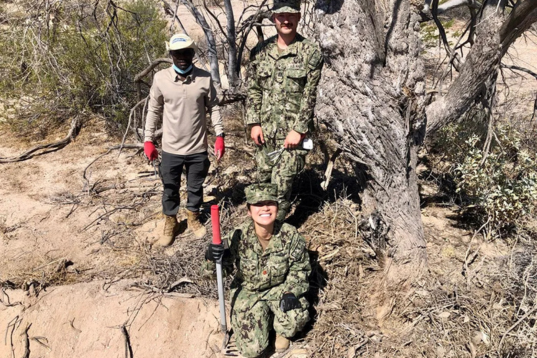
PACT alumni have gone on to become assistant professors, postdoctoral fellows, industry scientists, government project managers, and policy leaders. Participants consistently credit PACT with helping them clarify career goals, navigate professional environments, and secure positions aligned with their values and strengths.
From landing first faculty appointments to transitioning successfully into industry and government roles, PACT supports participants at pivotal career moments—often when direction feels least clear.
Our Members in their Words
The Application Process
PACT applications are open from April through June and are competitive. Applicants must be able to commit to the program’s time requirements, which include mandatory participation in webinars, small‑group discussions, and one‑on‑one mentoring meetings totaling approximately three hours per month, as well as additional preparatory readings and reflection activities requiring about one hour per month.
The program begins in September and concludes the following March.
Eligibility:
- Graduate student or postdoctoral fellow in the U.S.
- Active ESA member in good standing
Not a member? Join today!
Cost:
- Participation for individuals selected through the application process is $100
Required Materials:
- CV (5-page max)
- Letter of personal interest in participating (500-word max) that outlines the applicant's
- personal and professional qualifications based on current career stage
- professional goals following academic training,
- unique contributions the applicant brings to the PACT community,
- and what the applicant hopes to get out of the PACT experience.
- Letter of recommendation from the applicant's research supervisor which includes approval for program participation
Additional Resources
Making an Impact with Your Entomology Ph.D.
Learn how other entomologists are developing and using their soft skills to have a big impact in sectors outside academia via this ongoing series from Entomology Today.
Explore Stories

From the Bench to a Broader Impact: Traveling a Non-Traditional Path for Science to Benefit the World
Meet entomologist Shavonn R. Whiten, Ph.D., who translated her academic experience in vector-borne disease management into a career in public policy and international development. Learn what it takes to turn scientific training into real-world capacity building—and how Whiten made the leap.
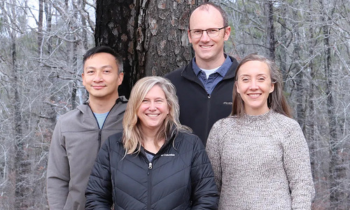
Soft Skills: The Secret Ingredient to a Successful Science Career
Meet entomologist Brooke Bissinger, Ph.D., who credits her success in time management, adaptability, and teamwork to her experience working in the food service industry before she became a scientist. Learn about the soft skills Bissinger gained in that work and how she applies it today as an entomologist in research and development.
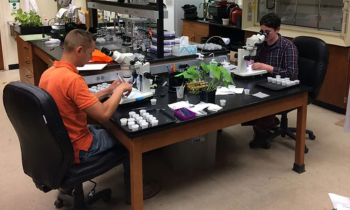
Biodiversity of a Lab: A Community Ecology Perspective on Contributing to a Healthy Ecosystem
A successful science lab is a dynamic, carefully balanced environment not unlike a natural ecosystem. Attention to relationships, individual personalities, and stresses of scientific work are all critical to fostering a healthy, balanced lab environment. Meet ecologist Monica Farfan, Ph.D., to learn what other elements are needed to create a healthy lab ecosystem.
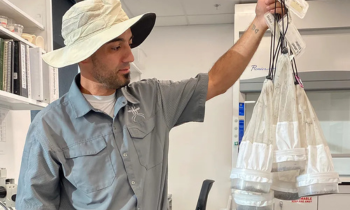
Passion or Profession? Mid-Career Reflections of a Medical Entomologist
Ary Faraji, Ph.D., BCE, traces his career from class clown to Executive Director of the Salt Lake City Mosquito Abatement District. He credits his success to a willingness to take on new challenges, a focus on teamwork, and a passion for entomological adventures.
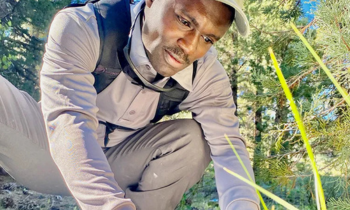
Navy Entomologists: Protecting Sailors and Marines Around the World
Within the U.S. Navy, a variety of public health needs are served by units stationed around the world. These Navy Environmental and Preventive Medicine Units act as “mini-CDCs” with responsibilities ranging from occupational medicine and environmental health to industrial hygiene and toxicology, and much more—including entomology.
Career-Development Webinars
Get a foot up on the competition with these additional career-development resources.
What a Recruiter Wishes You Knew Before Approaching Them
An industry recruiter offers her top tips on what you need to know about how to package and present yourself for jobs outside academia, from putting your CV together to negotiating a salary and benefits.
Opportunities for Entomologists at the EPA
U.S. Environmental Protection Agency (EPA) scientists present the various types of roles available to entomologists at the EPA, what it looks like on a day to day basis, and how to apply for a job with the agency.
Considering Non-Traditional Careers in Entomology
While tenure track academic jobs are often heralded as the traditional career path, most MS and PhD’s are finding employment in other fields. What are these other alternative career options and how do you find out about them?
Hacking the Academic Job Market
Are you fully prepared to enter the job market? Designed to provide insight into the Academic and non-Academic job markets, this webinar explores conditions of the job market, what search committees look for, how to build a competitive record, how to articulate that record in job applications and interviews, and how to effectively negotiate when offered a position.
Standing Out from the Crowd: Building Your CV/Resume
Learn more about getting involved with committees, judging panels, and the editorial process; volunteering at the ESA Annual Meeting; and how to give your best presentation at your next meeting.
Getting Your Foot in the Door: How to Write the Best Cover Letter
Learn how to avoid the mundane and write a cover letter that convinces the employer you're the right person for the job!