

Science Policy Fellows
Advocate for Entomology at the Highest Levels of Government
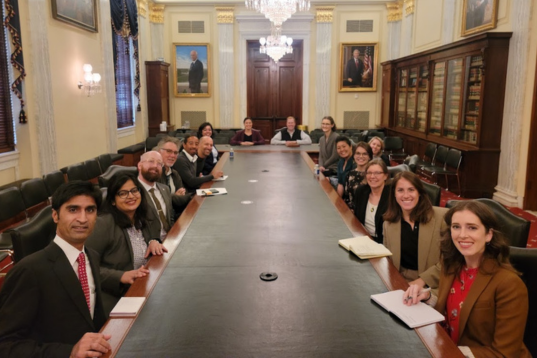
The Science Policy Fellows (SPF) program is a two-year professional development experience that equips entomologists with the skills needed to successfully advocate for the discipline. Through hands‑on training and direct engagement with policymakers, Fellows learn how to move research beyond academia and into action—shaping decisions that affect science, society, and the future.
Each year, five US-based Fellows are selected through a competitive application process, which opens in April through June 1. The Fellows participate in active training for two years and then, as Alumni, serve as core members of ESA's advocacy team, representing the science in their legislative districts.
How the Program Works
Fellows engage in a variety of virtual and in‑person educational experiences designed to build practical policy skills and understanding of how science policy and science funding decisions are made at the federal level.
Typical activities for an ESA Science Policy Fellow may include:
- Attending science and policy workshops and networking events at ESA’s Annual Meeting, including complimentary registration and travel
- Participating in teleconferences and webinars on federal science policy and budget development, as well as specific policy issues
- Assisting in the development of policy statements
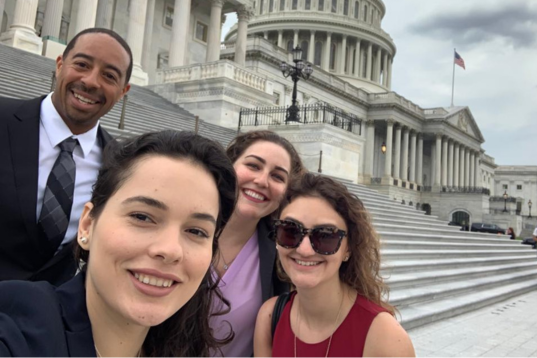
- Participating in Washington, D.C.-based meetings twice each year (spring and fall), spending several days engaging directly with legislators, legislative staff, and federal agency leaders (all travel expenses covered by ESA)
Career‑Defining Professional Development
The SPF Program is not a one‑time experience. It builds a durable skill set that Fellows carry forward throughout their careers.
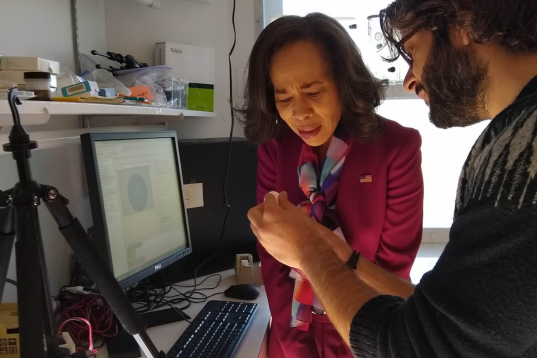
Alumni consistently credit the program with:
- Strengthening science communication and storytelling skills
- Opening doors to leadership roles, speaking invitations, and new career pathways
- Preparing them for roles in academia, government, NGOs, and industry
- Informing teaching, mentorship, and institutional leadership
For many Fellows, policy engagement becomes a permanent part of how they approach research, outreach, and service.
Lifelong Community
As alumni, Fellows extend the program’s reach by mentoring students, training colleagues, and engaging broader communities. Alumni have:
- Led congressional visits with trainees
- Designed and taught science policy courses
- Trained students and stakeholders in effective advocacy
- Built sustained relationships that lead to institutional and state‑level impact
Fellows consistently highlight the SPF cohort and alumni community as one of the program’s greatest strengths. Participants join a diverse, supportive network of entomologists at all career stages who share a commitment to advocacy, service, and public impact.
The Application Process
Fellow applications are open from April through June 1 and are competitive. Applicants must be able to commit to the program’s time requirements, which include two annual trips (spring and fall) to Washington, D.C. with required attendance at the ESA Annual Meeting while in active service. Additionally, there may be periodic opportunities for other training or contributions.
The program begins with a training in November at the ESA Annual Meeting and active service concludes just prior to the ESA Annual Meeting two years later.
Eligibility:
- Active ESA member in good standing
Not a member? Join today! - An active member of at least one ESA Section
- U.S.-based
Required Materials:
- Candidate statement (500 words max)
Why you would like to participate? How do you think the ESA Science Policy Fellows program will benefit you and your career? - Issue statement (500 words max).
Describe one policy issue and why it is important for the future of entomology. - One reference letter from the applicant's supervisor (due by May 30)
- CV or resume (2-page max)
Our Members in their Words
Stay Informed
Want reminders and updates about the upcoming deadline? Sign up for alerts and don't miss the application cycle.